Health Blog

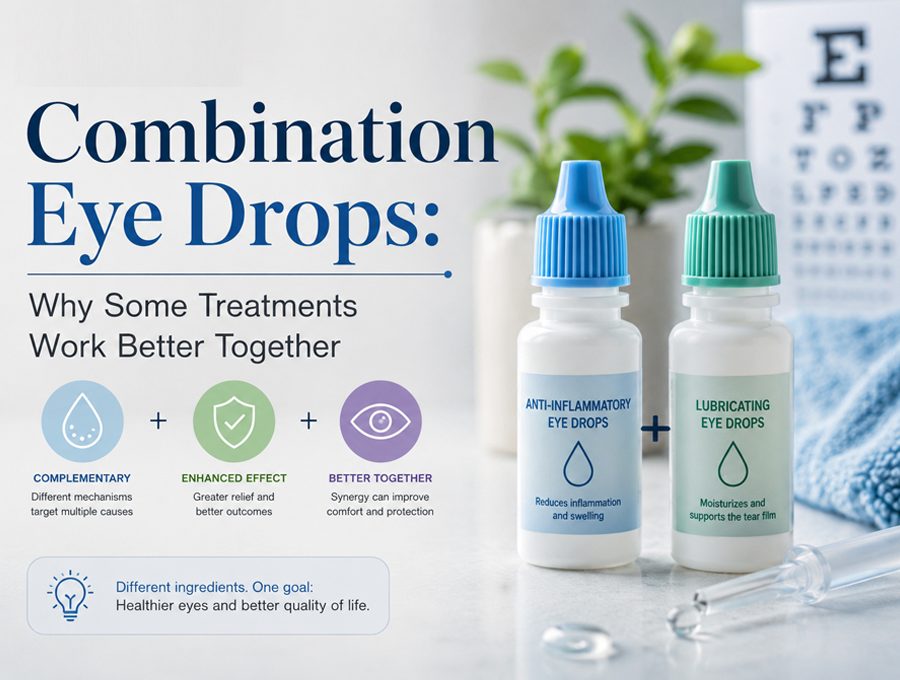
Combination Eye Drops: Why Some Treatments Work Better Together

Sometimes, one solution isn’t enough. An infection may be causing inflammation, and inflammation may be making the infection worse. In such cases, treating just one side of the problem is like locking one door while leaving the other wide open. In eye care, precision matters. And sometimes, the most effective approach is not a single medication, but a carefully balanced combination.

Combination eye drops are designed to treat multiple aspects of a condition at once, offering a more comprehensive and efficient solution.

Continue reading “Combination Eye Drops: Why Some Treatments Work Better Together”
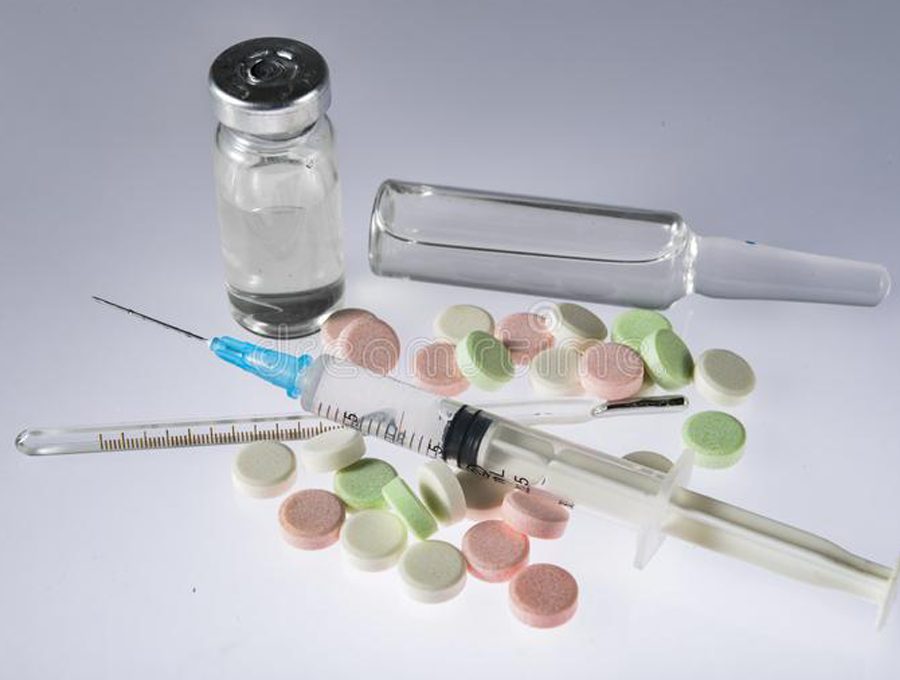
Safe Use of Injectable Antibiotics: What Patients Should Know

Some treatments don’t come in neat little bottles. They require precision, timing, and professional hands. Injectable antibiotics fall into this category, often used when infections demand a stronger, faster response. When infections become severe or resistant to standard treatment, doctors may turn to injectable antibiotics. These medications are powerful, fast-acting, and designed for situations where oral medications may not be sufficient.

Understanding how they work and why they are used can help patients feel more confident and informed during treatment.

Continue reading “Safe Use of Injectable Antibiotics: What Patients Should Know”

Living with Diabetes: Why Regular Blood Glucose Monitoring Matters

Some conditions don’t show up loudly. They don’t shout. They whisper. Diabetes is one of those quiet conditions—but its impact becomes loud if it isn’t monitored properly. Diabetes is not just about sugar. It’s about balance, consistency, and awareness. When blood glucose levels fluctuate without monitoring, the body often pays the price quietly—until complications begin to surface.

One of the most powerful tools in diabetes management is surprisingly simple: regular blood glucose monitoring.

Continue reading “Living with Diabetes: Why Regular Blood Glucose Monitoring Matters”

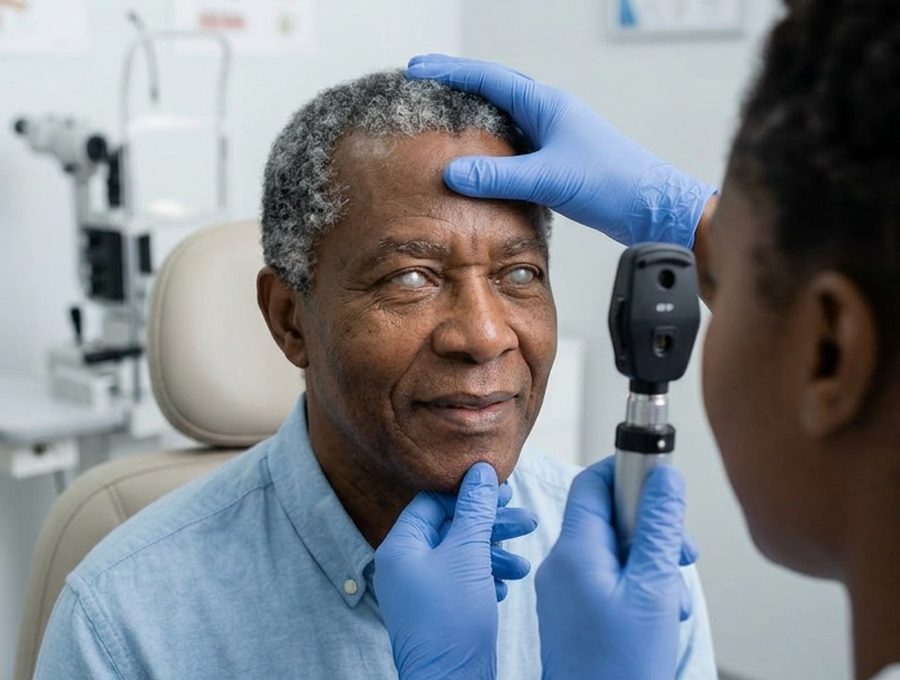
Hypertension and Eye Health: The Hidden Connection

Some conditions don’t announce themselves with pain or urgency. They build slowly, quietly, until one routine check reveals what has been developing behind the scenes. High blood pressure is one of those silent conditions—and its impact on eye health is often underestimated. High blood pressure, also known as hypertension, is often thought of as a heart condition. But its effects extend far beyond the cardiovascular system. The eyes, with their delicate network of blood vessels, are particularly vulnerable.

What happens in your blood vessels doesn’t stay in your blood vessels.

Continue reading “Hypertension and Eye Health: The Hidden Connection”

How to Choose Reliable Medical Equipment for Clinics and Healthcare Facilities

In healthcare, equipment is not just a purchase—it is an operational decision that affects diagnosis accuracy, patient trust, and long-term clinical outcomes. The wrong device can quietly compromise results, even when everything else in the system is working correctly.

Choosing medical equipment is therefore less about “what looks advanced” and more about “what performs consistently under real clinical conditions.”

Continue reading “How to Choose Reliable Medical Equipment for Clinics and Healthcare Facilities”

Simple Daily Habits for Better Eye and Ear Health

Some eye problems don’t arrive as emergencies—they arrive as small inconveniences you keep postponing. Dryness is one of them. But when ignored, it slowly turns into a constant discomfort that follows you through screens, wind, and even rest. Good eye and ear health isn’t only about treatment. It’s about the quiet routines you build every day that either protect or strain these sensitive systems.

Small habits, repeated consistently, often matter more than occasional treatments.

Continue reading “Simple Daily Habits for Better Eye and Ear Health”

Diabetes and Eye Health: The Hidden Link You Should Know

Some conditions don’t start in the eyes, but they eventually arrive there anyway. Diabetes is one of the clearest examples of this quiet journey—what begins as a blood sugar imbalance can slowly reshape vision if not carefully managed. Diabetes affects how the body handles glucose, but its impact extends far beyond metabolism. One of the most vulnerable targets is the eye, especially the delicate blood vessels in the retina.

Over time, uncontrolled blood sugar can quietly damage vision before symptoms become noticeable.

Continue reading “Diabetes and Eye Health: The Hidden Link You Should Know”

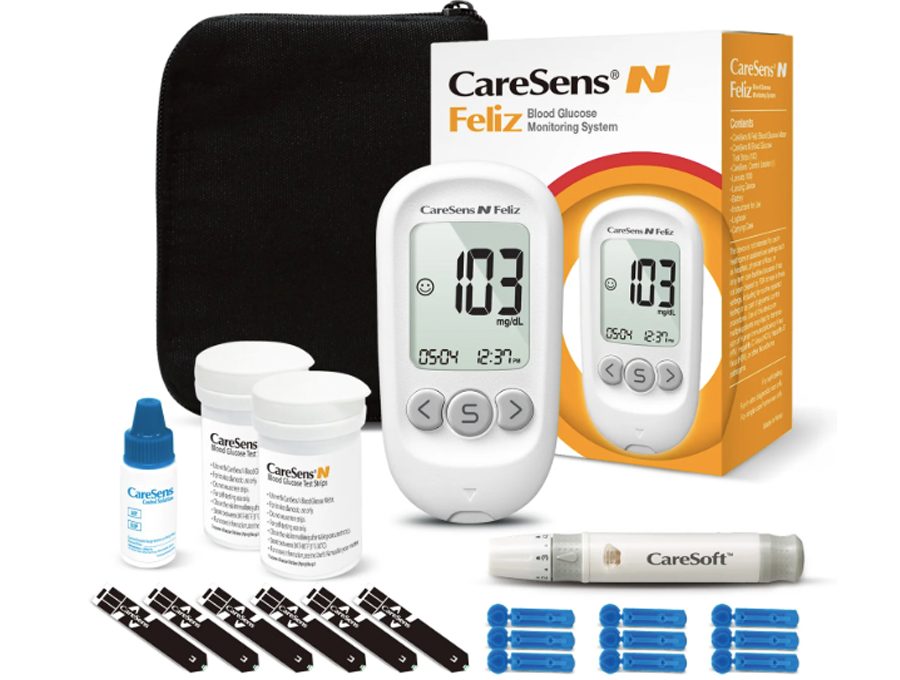
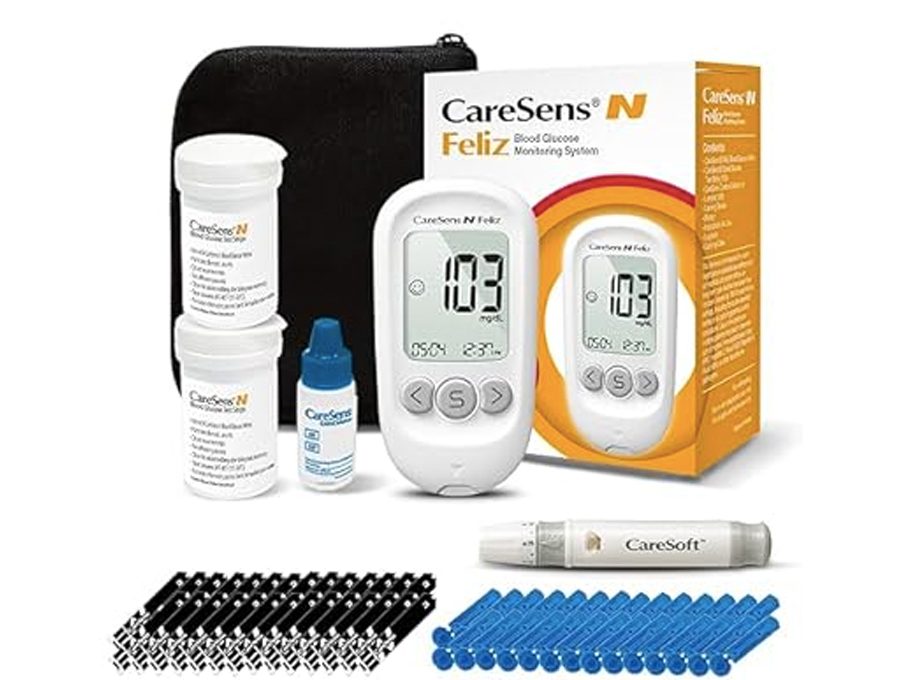
How Accurate Are Glucometers? Understanding What Affects Blood Sugar Readings

A glucometer is one of the most widely used diagnostic tools in both clinical and home settings. It delivers quick blood glucose readings that help guide diabetes management decisions in real time. But here’s the important question many people rarely ask: how accurate are these readings, really?

The answer is: glucometers are reliable, but not absolute. Their accuracy depends on several real-world factors.

Continue reading “How Accurate Are Glucometers? Understanding What Affects Blood Sugar Readings”

Understanding Ophthalmic Tonometers: How Eye Pressure is Measured and Why It Matters

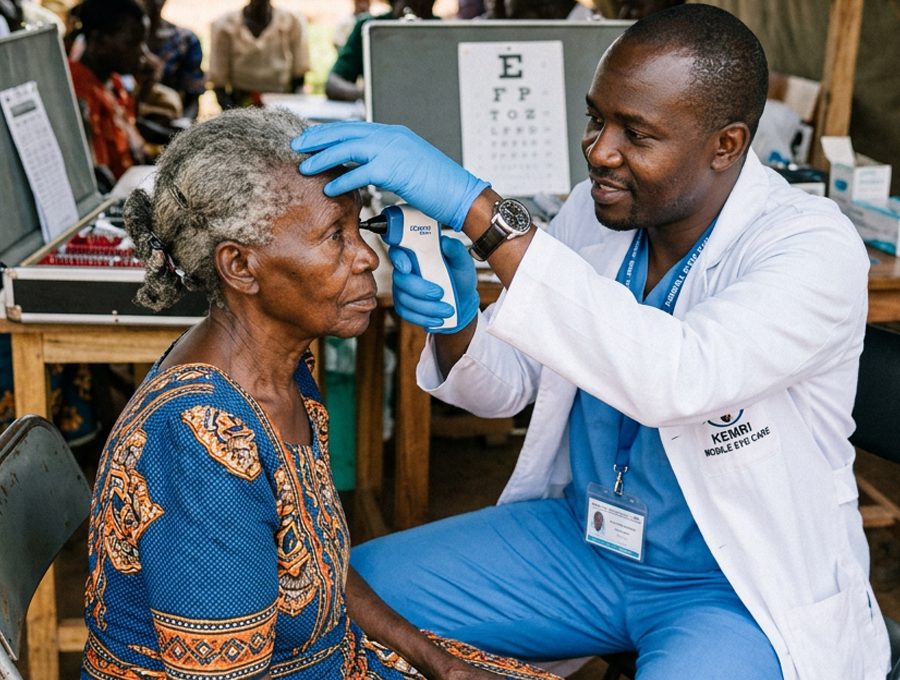
Eye pressure is one of the most important indicators in diagnosing and managing glaucoma. Yet for most patients, the way this pressure is measured remains completely invisible—happening quietly during an eye examination with a device called a tonometer.

Understanding how this tool works helps demystify eye care and highlights why early detection is so dependent on precision instruments.

Continue reading “Understanding Ophthalmic Tonometers: How Eye Pressure is Measured and Why It Matters”