
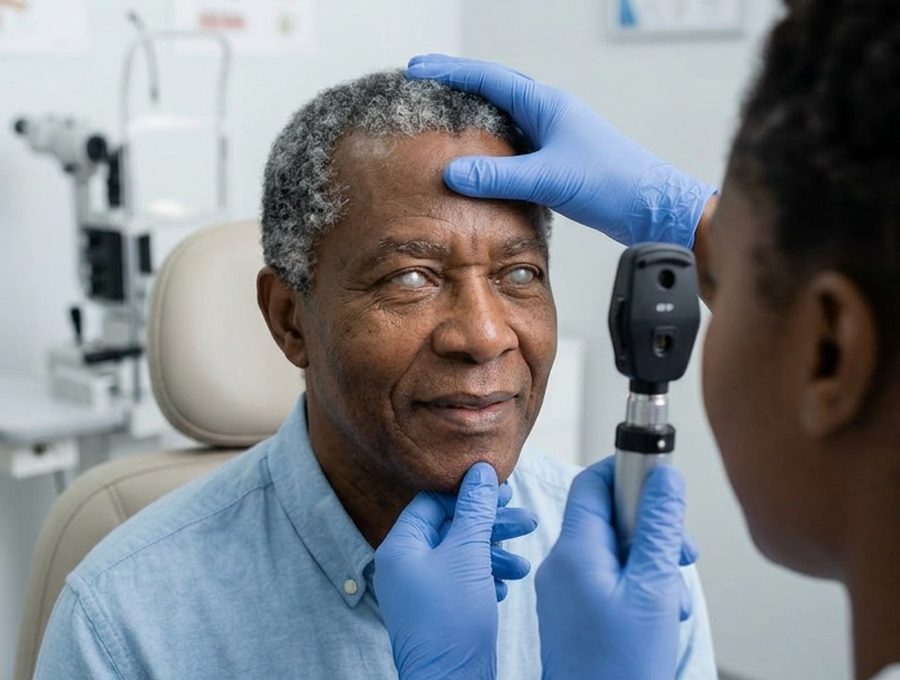
Some conditions don’t start in the eyes, but they eventually arrive there anyway. Diabetes is one of the clearest examples of this quiet journey—what begins as a blood sugar imbalance can slowly reshape vision if not carefully managed. Diabetes affects how the body handles glucose, but its impact extends far beyond metabolism. One of the most vulnerable targets is the eye, especially the delicate blood vessels in the retina.
Over time, uncontrolled blood sugar can quietly damage vision before symptoms become noticeable.
How Diabetes Affects the Eyes
High blood sugar levels can weaken and damage small blood vessels in the retina. This condition is known as diabetic retinopathy.
As the condition progresses, it may cause:
- Leakage of blood or fluid into the retina
- Swelling of retinal tissue
- Formation of abnormal blood vessels
- Reduced clarity of vision
Without proper management, these changes can lead to permanent vision loss.
Early Signs to Watch For
Diabetic eye complications often develop silently, but some warning signs include:
- Blurred or fluctuating vision
- Dark or empty spots in vision
- Difficulty seeing at night
- Colors appearing faded or dull
- Sudden vision changes
Because early stages may not show symptoms, regular screening is essential.
Why Blood Sugar Control Matters for Vision
Stable blood sugar levels reduce stress on blood vessels throughout the body, including the eyes.
Good control helps:
- Slow progression of retinal damage
- Reduce risk of vision complications
- Improve overall eye health stability
Even small fluctuations over time can have cumulative effects.
The Importance of Regular Eye Screening
People living with diabetes should have routine eye examinations, even if vision seems normal.
Eye screenings help to:
- Detect early retinal changes
- Monitor disease progression
- Prevent irreversible damage through early treatment
Early detection remains the most effective form of protection.
Managing Diabetes to Protect Your Eyes
Effective eye protection begins with overall diabetes management:
- Regular blood glucose monitoring
- Balanced, low-sugar diet
- Consistent physical activity
- Proper medication adherence
- Routine medical checkups
Each of these plays a role in reducing long-term complications.
Monitoring Tools That Support Better Control
Accurate monitoring makes diabetes management more effective and informed.
Dortemag provides the CareSens Glucometer, designed to support reliable daily blood glucose tracking. Consistent monitoring helps patients and healthcare providers make timely decisions that protect long-term health, including vision.
When to Seek Immediate Attention
Seek urgent medical care if you experience:
- Sudden vision loss
- Rapid worsening of blurred vision
- New floaters or dark spots
- Distorted vision
These may indicate advanced retinal changes requiring prompt treatment.
Final Thoughts
Diabetes does not just affect blood sugar. It affects the systems that depend on stable circulation—including your vision.
The earlier it is managed, the more vision can be preserved.
Your eyes often reflect what is happening inside your body long before other symptoms appear.
About Dortemag Ventures Ltd
Dortemag Ventures Ltd is dedicated to improving healthcare outcomes through reliable diagnostic tools, pharmaceuticals, and medical equipment.
With over 25 years of trusted service, Dortemag continues to provide solutions such as glucometers, eye care products, and antibiotics that support better disease management and patient care across Nigeria.
Need Professional Guidance?
If you need support choosing the right diagnostic tools or understanding eye-related complications of diabetes, professional advice is essential.
Visit the Dortemag contact page:
https://dortemag.com/contact-us/


