
A glucometer is one of the most widely used diagnostic tools in both clinical and home settings. It delivers quick blood glucose readings that help guide diabetes management decisions in real time. But here’s the important question many people rarely ask: how accurate are these readings, really?
The answer is: glucometers are reliable, but not absolute. Their accuracy depends on several real-world factors.
How a Glucometer Works
A glucometer measures glucose levels from a small drop of blood, usually from the fingertip.
The test strip contains enzymes that react with glucose in the blood, producing an electrical signal. The device then converts this signal into a numerical reading.
It is fast, practical, and designed for frequent monitoring rather than laboratory precision.
What Affects Accuracy?
Several factors can influence the reliability of a reading:
1. Expired or Damaged Test Strips
Test strips are chemically sensitive. Exposure to heat, moisture, or expiration can alter results significantly.
2. Improper Storage
Leaving strips or the device in high heat or humid environments can affect performance.
3. Dirty or Wet Hands
Residue from food, alcohol, or moisture can distort readings.
4. Insufficient Blood Sample
Too little blood on the strip may lead to inconsistent results.
5. Device Calibration and Quality
Not all glucometers are built to the same standard. Manufacturing quality and calibration consistency matter.
Why Glucometers Differ from Laboratory Tests
Laboratory blood glucose tests are highly controlled and use larger blood samples with advanced equipment.
Glucometers, on the other hand, are designed for:
- Speed
- Convenience
- Daily monitoring
A small variation between the two is normal and expected.
How to Improve Accuracy in Daily Use
To get the most reliable readings:
- Wash and dry hands before testing
- Use fresh, properly stored strips
- Follow manufacturer instructions carefully
- Avoid testing in extreme environmental conditions
- Compare readings periodically with laboratory tests
Consistency in technique improves consistency in results.
Why Regular Monitoring Still Matters
Even with minor variations, glucometers remain essential because they:
- Help track daily glucose patterns
- Support medication decisions
- Detect sudden highs or lows
- Enable proactive diabetes management
The goal is not perfect numbers, but meaningful trends.
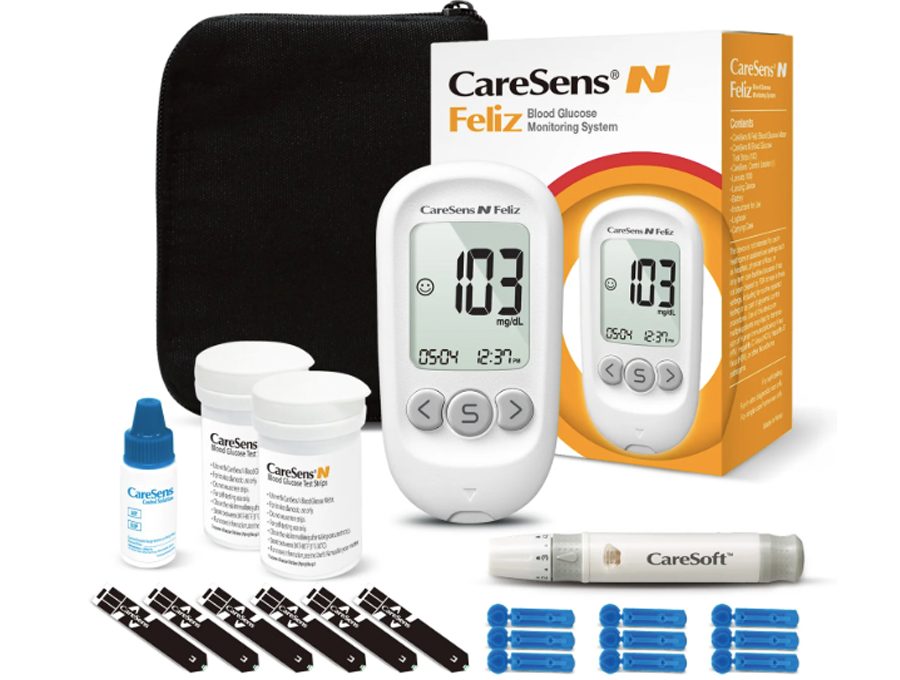
Dortemag CareSens Glucometer
Dortemag provides the CareSens Glucometer, designed for reliable and user-friendly blood glucose monitoring.
It is built to support:
- Fast and accurate readings
- Simple daily usage
- Consistent performance for routine monitoring
When used correctly, it helps patients and healthcare providers make informed decisions about diabetes management.
Final Thoughts
Glucometers are not laboratory machines—but they are powerful clinical companions when used properly. Their strength lies in consistency, not perfection.
Understanding what affects accuracy helps you interpret results correctly and avoid unnecessary concern over small variations.
In diabetes care, awareness is as important as the reading itself.
About Dortemag Ventures Ltd
Dortemag Ventures Ltd is dedicated to supporting effective healthcare through reliable diagnostic tools, pharmaceuticals, and medical equipment.
With over 25 years of trusted service, Dortemag continues to provide solutions such as glucometers, ophthalmic equipment, antibiotics, and other healthcare products that support accurate diagnosis and better patient outcomes.
Need Professional Guidance?
If you need help choosing diagnostic tools or understanding how to use them effectively, professional support is available.
Visit the Dortemag contact page:
https://dortemag.com/contact-us/


