
Glaucoma doesn’t announce itself with drama. It doesn’t wave red flags or send loud warnings. Instead, it moves like a shadow across your vision, धीरे धीरे dimming the lights until parts of your world quietly disappear.
That’s what makes it dangerous.
What Exactly is Glaucoma?
Glaucoma is a group of eye conditions that damage the optic nerve, often due to increased pressure inside the eye (intraocular pressure).
Think of the optic nerve as a cable connecting your eyes to your brain. When that cable is damaged, your vision begins to fade, starting from the edges.
Why Glaucoma is Called the “Silent Thief of Sight”
In its early stages, glaucoma typically shows no noticeable symptoms.
By the time vision loss becomes obvious, the damage is often irreversible.
Early Signs You Shouldn’t Ignore
While many people experience no symptoms early on, some warning signs may include:
- Gradual loss of peripheral (side) vision
- Blurred vision
- Seeing halos around lights
- Eye pain or pressure (in some cases)
- Redness in the eye
If your vision feels like it’s narrowing into a tunnel, that’s a red flag you shouldn’t ignore.
Who is at Risk?
Glaucoma doesn’t affect everyone equally. You may be at higher risk if you:
- Are over 40 years old
- Have a family history of glaucoma
- Have diabetes or hypertension
- Use steroid medications frequently
- Have had previous eye injuries
Can Glaucoma Be Prevented?
Here’s the truth: glaucoma cannot always be prevented, but it can be managed effectively if detected early.
Prevention, in this case, looks like vigilance.
What you can do:
- Get regular eye checkups
- Monitor eye pressure
- Manage underlying health conditions
- Avoid prolonged, unsupervised use of steroid eye drops
Treatment Options: Keeping Vision Intact
While vision loss from glaucoma cannot be reversed, treatment can slow or stop further damage.
Common treatment options include:
1. Eye Drops (First Line of Defense)
These help reduce eye pressure either by decreasing fluid production or improving drainage.
2. Oral Medications
Used in some cases to further control pressure.
3. Laser Treatment
Improves fluid drainage in the eye.
4. Surgery
Recommended when other treatments are not effective.
The Role of Quality Eye Drops
When managing glaucoma, consistency and product quality matter.
Anti-glaucoma eye drops like Dortemag’s IVEE range (such as Ivytimol and Ivyxolol) are designed to:
- Help reduce intraocular pressure
- Provide reliable, consistent dosing
- Minimize contamination risks through prefilled sterile packaging
Because in glaucoma care, every drop counts—literally.
Early Detection is Everything
Glaucoma doesn’t have to steal your sight.
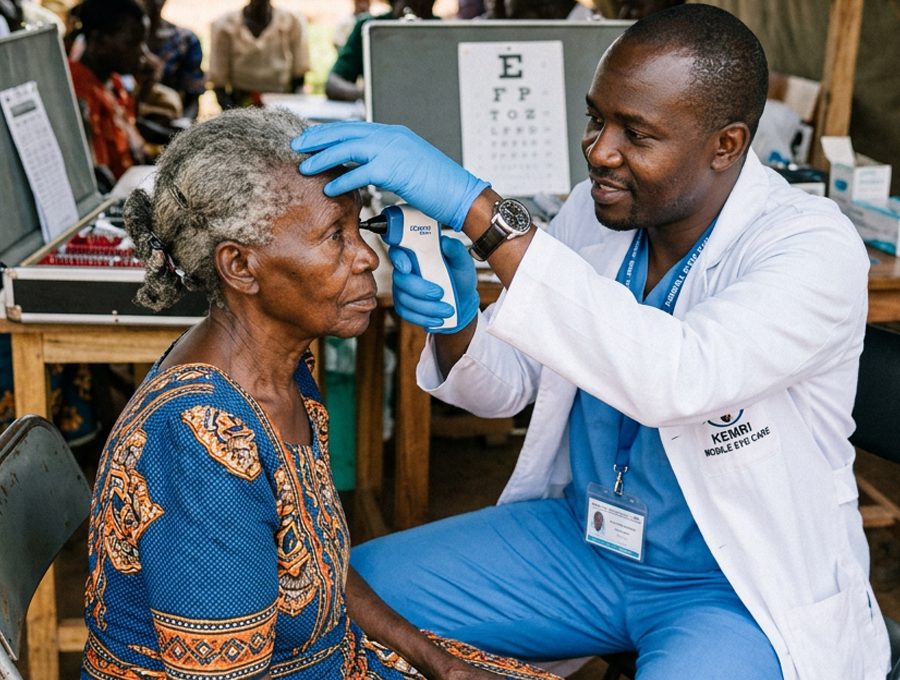
Routine eye exams using modern ophthalmic equipment can detect changes in eye pressure long before symptoms appear. This is where early intervention makes all the difference.
Final Thoughts
Glaucoma is quiet, but it is not unbeatable.
With awareness, regular checkups, and the right treatment, you can stay one step ahead and protect your vision for years to come.
Your eyesight is not something to gamble with—it’s something to guard.


